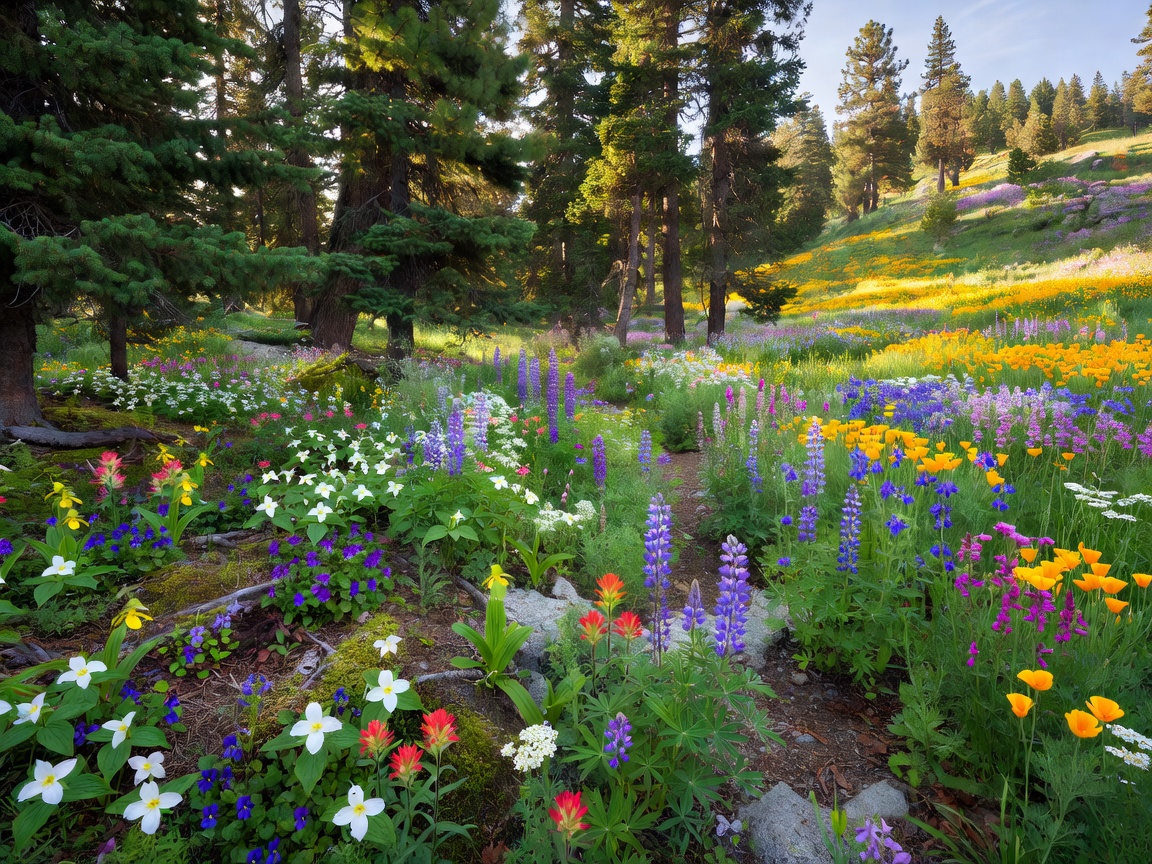
Alpine
Altitude shortens the growing season. Plants operate within snowmelt, frost and rapid weather changes. Mountain meadows may sit beside scree, wet ground or steep paths. Exposure changes quickly across a slope. Lower elevations can flower earlier than high pastures, but no single calendar applies to every range.
Use layered clothing, sun protection and reliable footwear. Weather can turn a comfortable route into a navigation problem. Do not leave the marked trail to reach an isolated patch. Fragile alpine ground recovers slowly.
Coastal
Wind, salt and shifting sand define many coastal habitats. Dunes can be unstable. Cliffs require distance and attention. Coastal grasslands may be low, exposed and difficult to shelter in. Salt-tolerant plants may flower under conditions that differ sharply from inland meadows.
Check tides where relevant and use formal access points. Windproof layers matter even on warm days. Avoid trampling dune vegetation and never approach an unstable edge for a photograph.
Woodland
Canopy cover controls light. Moisture and soil depth vary between a woodland floor, rides, stream edges and clearings. Spring flowering can occur before leaves fully develop. Once canopy closes, the same ground may look visually quieter while remaining botanically important.
Expect roots, mud, leaf litter and low light. Waterproof footwear can be useful. Keep dogs under control where required, and avoid disturbing dead wood or ground plants. Stay on paths when the floor is wet.
Practical comparison
Alpine routes demand elevation and weather planning. Coastal routes demand wind, edge and tide awareness. Woodland routes demand surface care and low-light navigation. All three require respect for access rules and plant habitat. Compare route length, terrain, transport and season before committing.
Habitat is not a promise of a particular flower. It is a set of conditions that shapes what may be present. Use current local information for exact sites and dates. Leave plants where they grow.