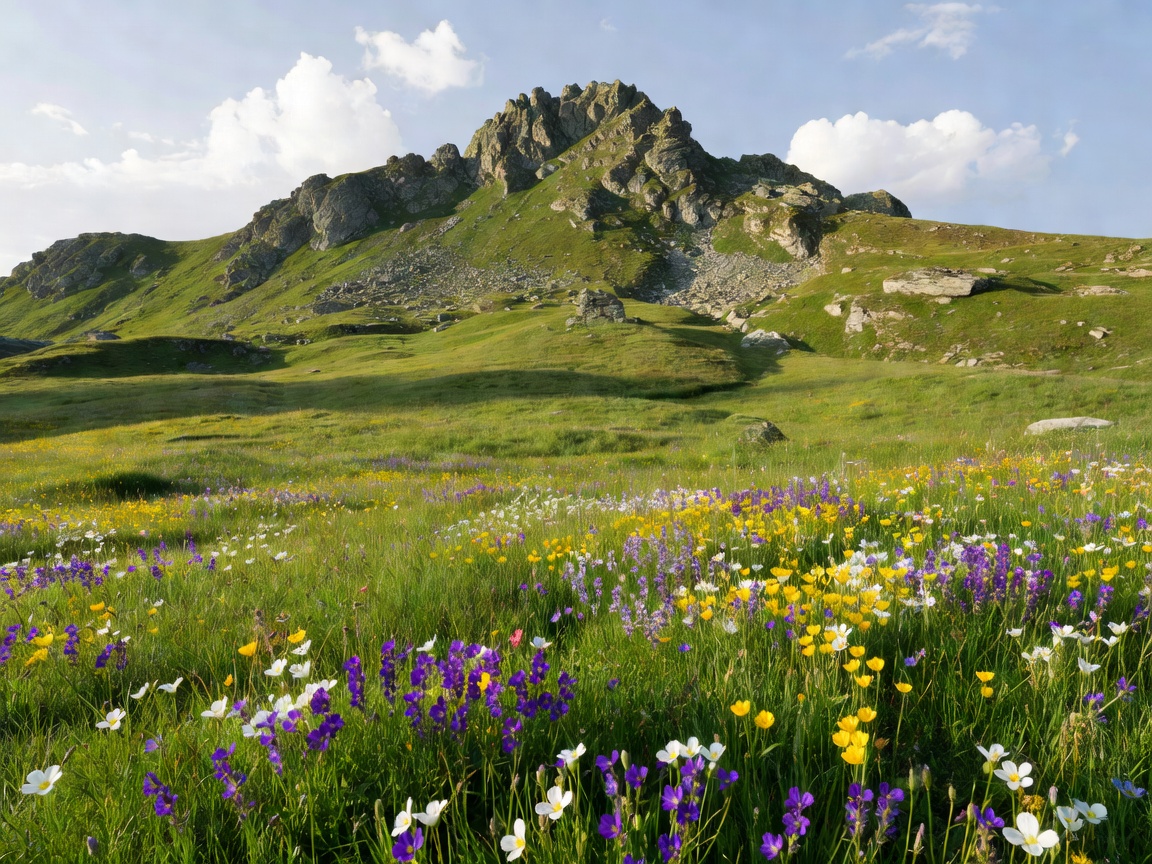
Europe contains several overlapping botanical and climatic zones. A useful travel plan starts with landscape conditions, not a country label. The same political region can include coast, lowland farmland, upland pasture and mountain terrain. Flowering periods can therefore differ within a short journey.
Alpine Europe
Altitude compresses the growing season. Snow cover, slope exposure and late frosts control when plants emerge. Lower montane meadows may flower before high pastures. North-facing slopes stay cooler. South-facing slopes warm earlier but can dry quickly. Expect uneven ground, changing weather and routes that may cross wet grass, stone or steep ground. A destination description should state elevation range and surface type where possible.
Mediterranean landscapes
Winter and spring rainfall often support the strongest display. Heat and dryness then change the landscape quickly. Open grassland, limestone slopes, scrub margins and coastal terraces each produce different conditions. Bare soil, rock and wind exposure matter as much as the regional climate. Plan for sun protection, water and early or late walking in warmer periods.
Atlantic regions
Oceanic weather brings moisture, cloud and relatively moderate temperatures. Meadows, cliffs, dunes and woodland edges can remain green while exposed sites receive strong wind. Rain can alter path quality without changing the broad flowering season. Waterproof layers and a route alternative are practical choices.
Central European meadows and river valleys
Lowland meadows are shaped by mowing, grazing, flooding and soil fertility. River corridors can stay cooler and wetter than nearby slopes. Flowering is not simply a wild process; land management affects height, density and timing. Respect signs, gates and private boundaries. A scenic meadow may be working agricultural land.
Northern and Baltic landscapes
Long daylight can support rapid summer growth, while cold springs delay emergence. Coastal grasslands, bog edges, pine woodland and open sandy soils create distinct microhabitats. Wind and low temperatures can remain relevant after the calendar suggests summer. Check daylight, transport frequency and shelter options before choosing a remote route.
Balkan mountains, woodland and coast
Mountain relief creates sharp changes over short distances. Limestone, altitude, dry grassland and forest can occur within one day’s travel. Coastal habitats may be salt-exposed and wind-pruned. Woodland regions hold moisture and shade, with spring flowers often appearing before full canopy closure. Local access rules differ. Use official route information when available.
Use region as the first filter. Then identify habitat, season, route surface and access. Treat flowering dates as a range. Temperature, rainfall and management can move a display earlier or later. Do not cross planted areas, pick flowers or assume an unmarked path is open.